Overview
Microsoft Teams is the ultimate messaging app for your organization—a workspace for real-time collaboration and communication, meetings, file and app sharing, and even the occasional emoji! All in one place, all in the open, all accessible to everyone.
Introduction to Microsoft Teams
Microsoft Teams is a collaboration app that helps your team stay organized and have conversations—all in one place. Here’s a quick look at the left-hand side of Teams.
- Teams – Find channels to belong to or create your own. Inside channels you can hold on-the-spot meetings, have conversations, and share files.
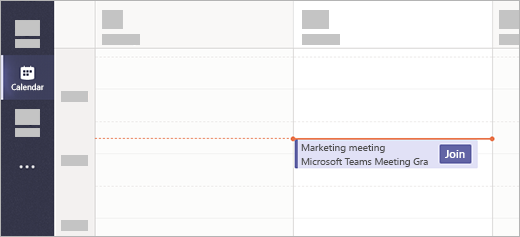
- Meetings – See everything you’ve got lined up for the day or week. Or, schedule a meeting. This calendar syncs with your Outlook calendar.
- Calls – In some cases, if your organization has it set up, you can call anyone from Teams, even if they’re not using Teams.
- Activity – Catch up on all your unread messages, @mentions, replies, and more.
What does Teams do?
Within one window, users can call upon a variety of key Office 365 apps and tools to help them work more effectively, such as:
- Calendars and meetings (Outlook)
- Create, share, edit and find content (SharePoint, OneDrive and OneNote)
- Call and meet team members (Skype)
- Chat and instant messaging (Skype)
Key Benefits of Teams
- One centralised hub
- Office 365 integration
- Customise Teams through APIs and bot frameworks
- Enterprise security & compliance
- Azure Active Directory integration
- No extra cost to Office 365 users
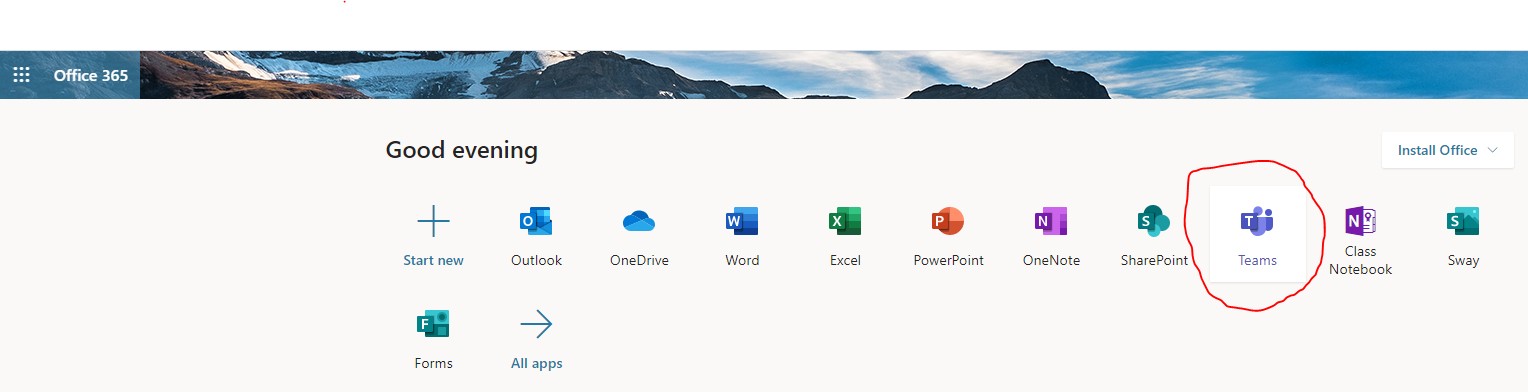
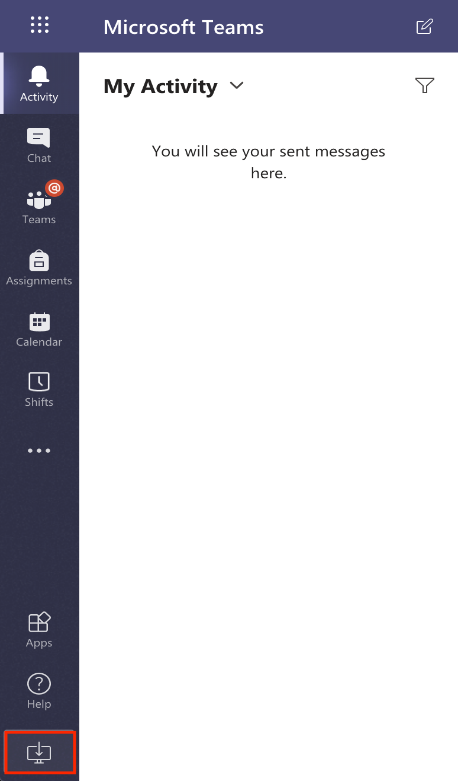
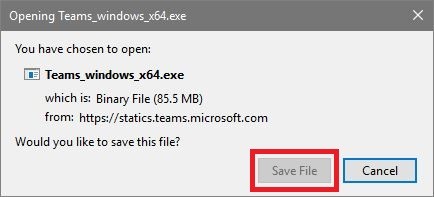
Once your organisation has access to Teams, you can: download the desktop application, access Teams through your browser or download the mobile app.
Teams and Channels
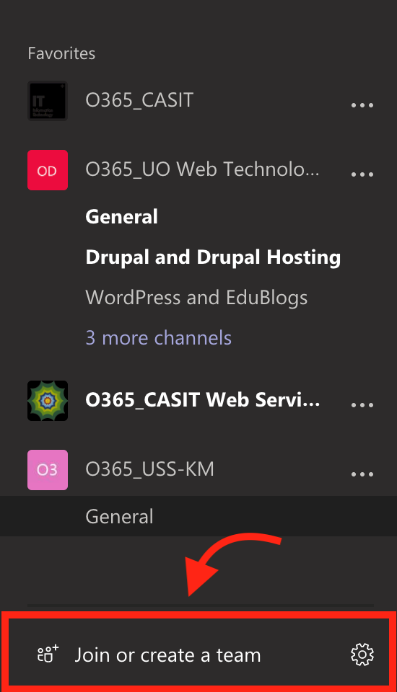
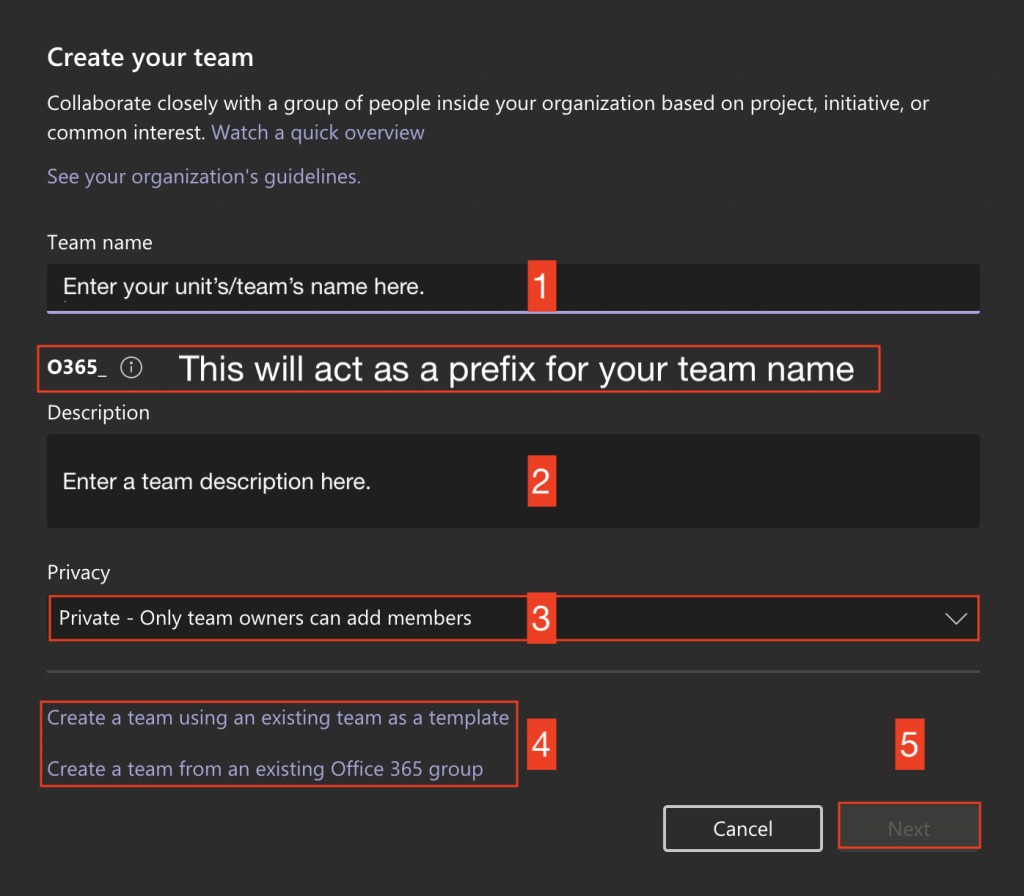
To start your teamwork collaboration, you need a team. Setting up Teams is easy and done in a few clicks, requiring a Team name and a description; this then allows team members to be added. As mentioned above, a new Team will create a matching Office 365 Group, OneNote, SharePoint site and Plan—so this does need to be done with some caution.
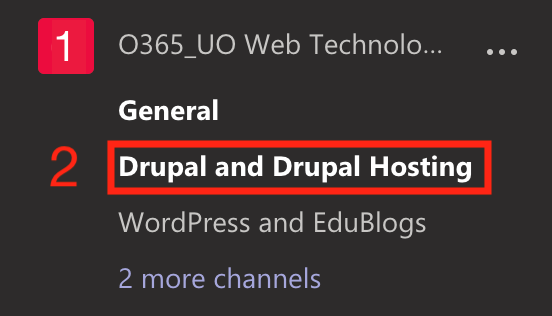
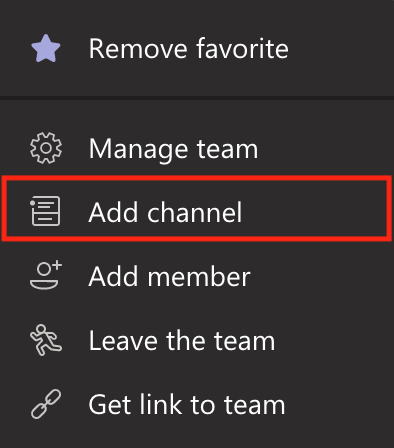
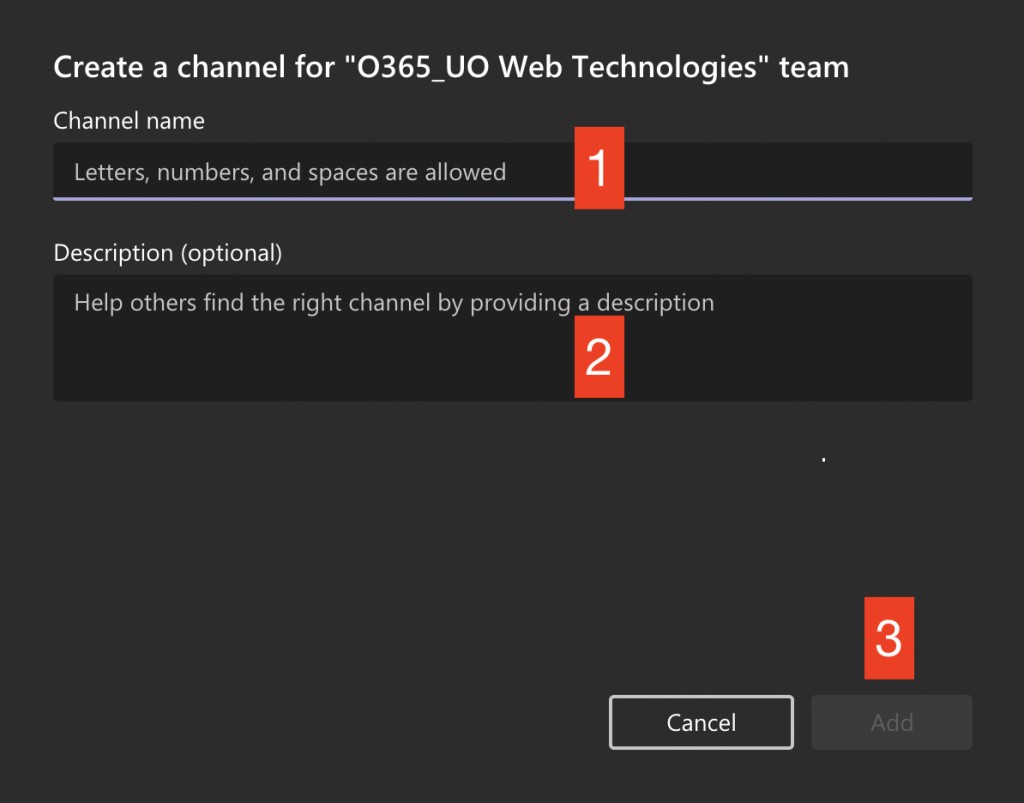
Each Team has subsections, which are called Channels, and a General Channel will automatically be created. You can have multiple Channels within a Team; for example, you could have a ‘Marketing’ Team and then Channels such as ‘Social Media’, ‘Product Launch’, ‘Blogs’ etc. Or a Company could be a Team and Channels can relate to departments – you can choose whatever suits your organisation’s way of working. Whenever there is a new notification or activity, the Channel will become bold.

Channel Tabs
Each Channel all have their own tabs along the top. Conversation (group chat), Files (shared documents) and Notes (shared OneNote) are automatically created and you can then add your own tabs.
Conversation
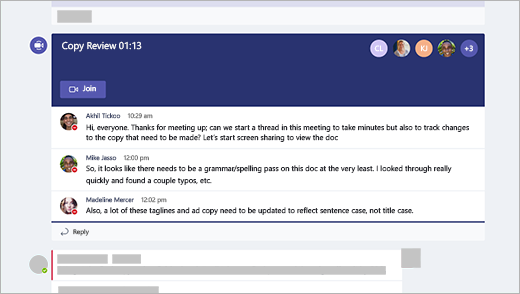
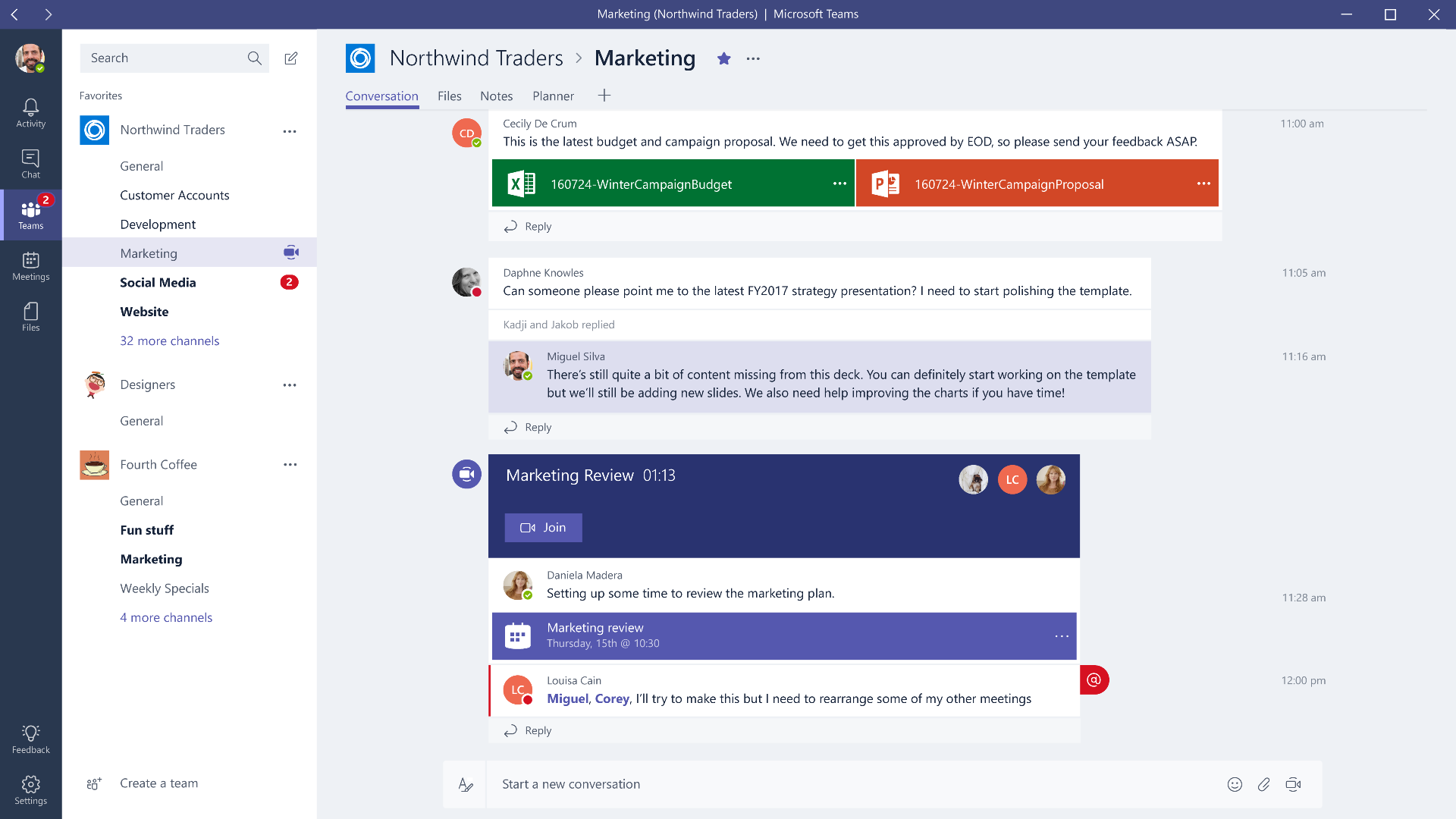
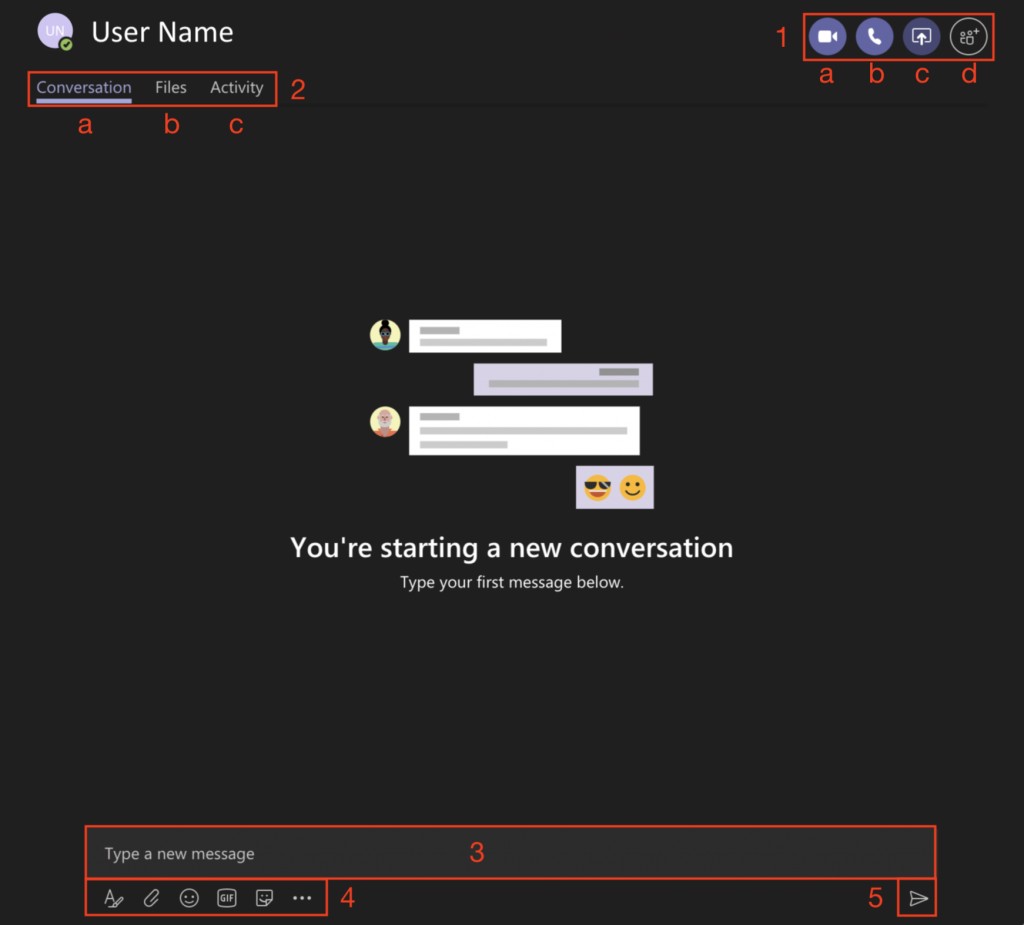
Conversations are one of the key features of Teams, allowing each Team to have a centralised discussion that is saved and easily searchable. Conversations are the central component where all teamwork is recorded—from file sharing to video calls.
The use of @mentions allows you to tag participants or even whole teams to notify others. Users that look at Conversations will easily see where they have been mentioned through the red @ symbol to highlight areas of importance to them. On top of this, your desktop app will notify you through an alert. As well as tagging, users can ‘like’ content and share emoticons or GIFs.
Files
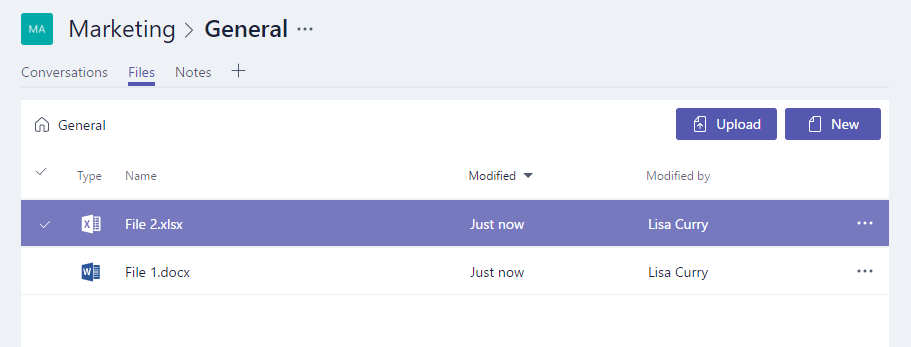
In your Teams window, you can perform a variety of tasks directly within that window or browser, so that you avoid flicking between different applications. These tasks include the ability to delete, download, move files, open, copy, edit or get a link to share with others – giving you all the key features you would get in the native apps.
You can also start a Group chat alongside the file, to allow team discussions while all working on the files – and this conversation will appear in your Conversation thread.
Notes
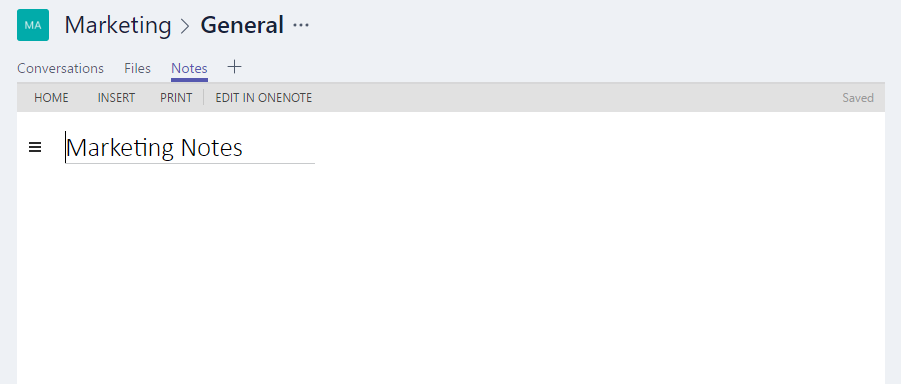
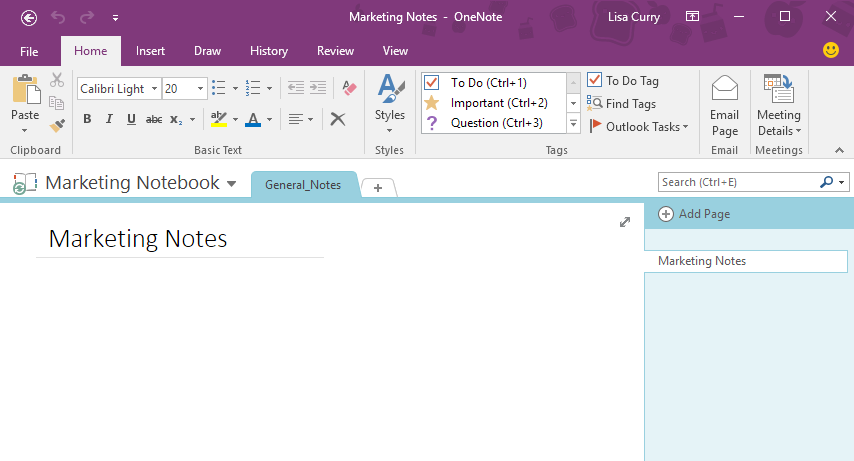
Notes takes you to the Team shared OneNote. Within Teams you can view and edit your OneNotes (directly within the Teams window) or you can click to edit in the OneNote app.
Adding Tabs
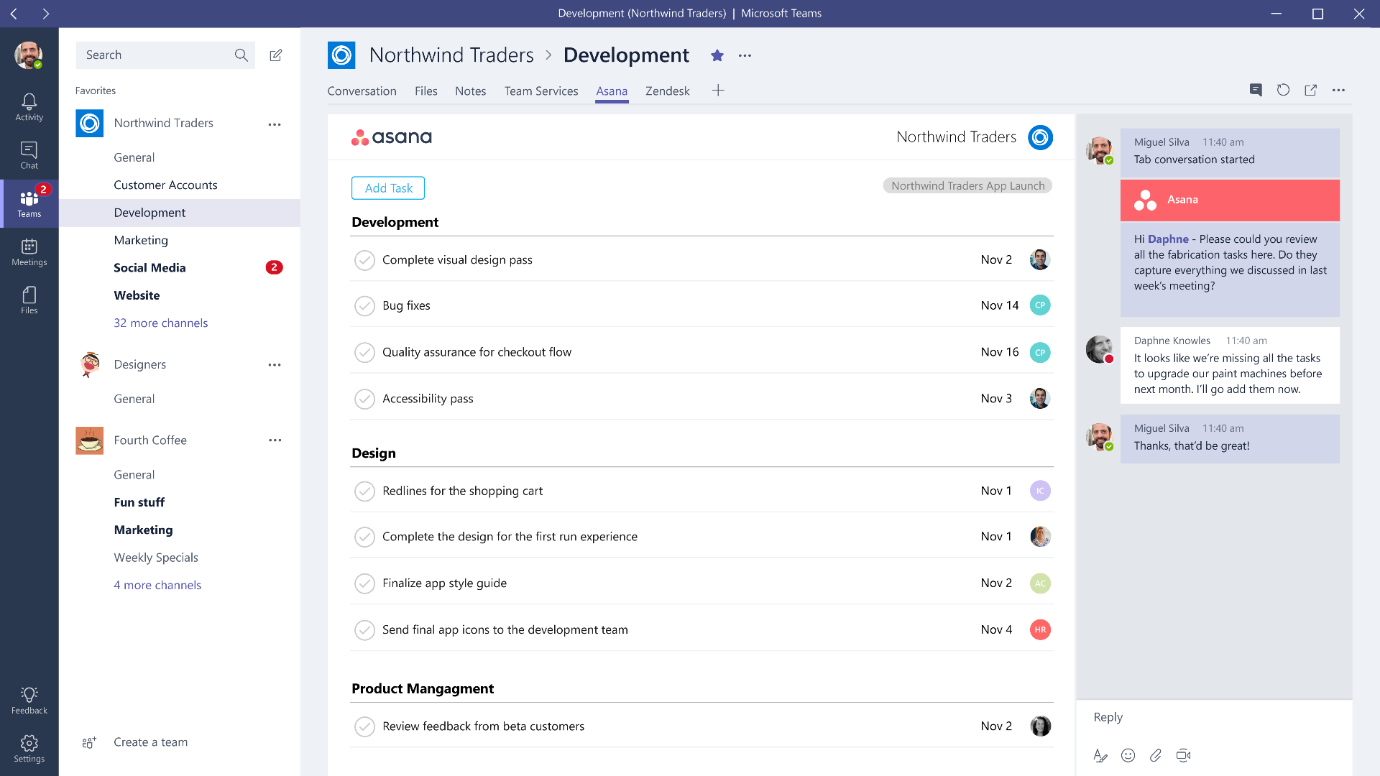
As mentioned, as well as these three automatic tabs you can also add your own, which currently include Planner, Excel spreadsheets, Word documents, Power BI dashboards and more.
Microsoft products can easily be added now, but there are also many future integrations coming to Teams, such as Asana integration. With integration between systems being so vital to teamwork, we can expect to see many more partnerships and out-of-the-box integrations!
Menu
Along the left-hand side you can navigate to different areas within Teams, such as Chats, Meetings, Files and Activity. Most of these are fairly self-explanatory:
Activities: Shows you the last activities of the Teams that you are part of.
Chat: This holds your Skype for Business conversations, providing a complete chat history. However, for a chat within a Team you should use the Teams menu and hold the group chat in ‘Conversation’.
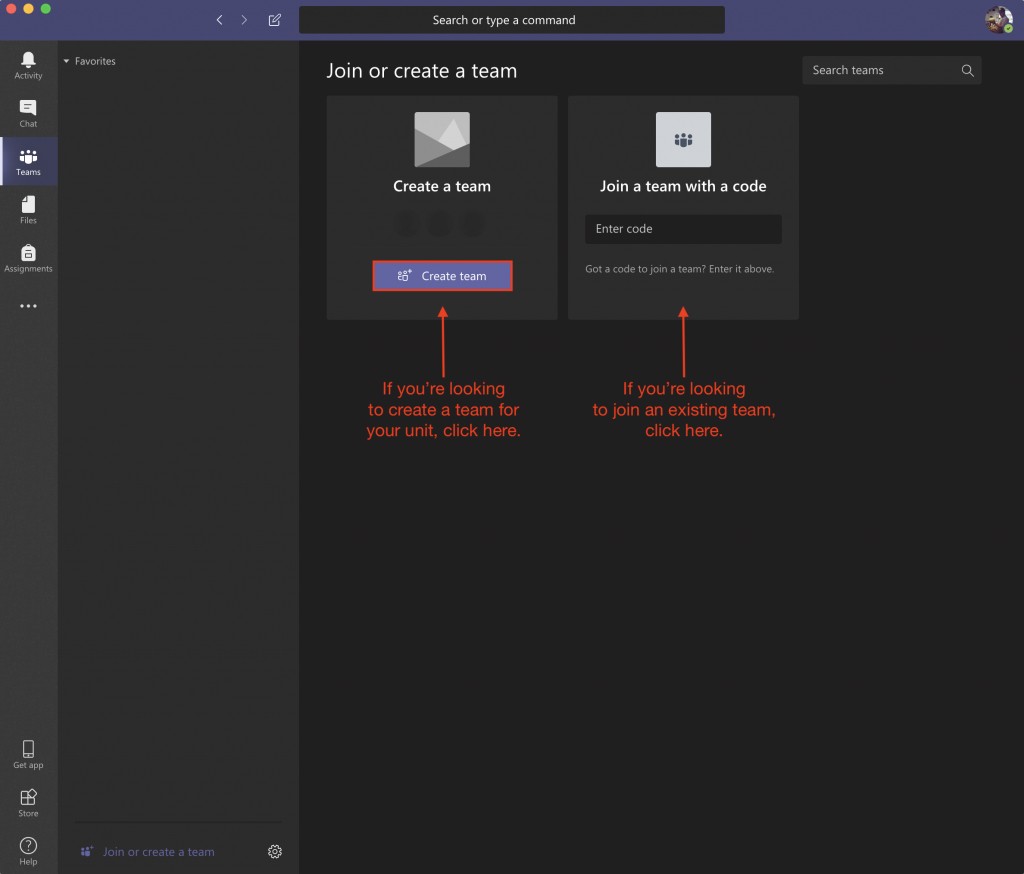
Teams: An overview of all your Teams that you are part of and allows you to drill-down into each Channel within the Teams. This is also where you can create Teams.
Meetings: The Meetings tab pulls your meetings in from Outlook and also allows you schedule meetings within the Meetings tab that are sent to a Team. If you want to schedule other meetings with external users or individuals, you will still need to use Outlook, as the Teams Meeting tab is only to schedule a meeting with a Team. (Remember the aim is team collaboration, not calendar management).
Files: Within Files you can quickly find and view files across OneNote, OneDrive and within Teams (stored in their own SharePoint sites). There’s also a very helpful ‘Recent’ tab so you can quickly access the latest documents you were working on, as well as a shortcut to your Downloads.
When To Use
Microsoft Teams is suitable:
- When you require instant communication
- For smaller, close-knit teams
- For team members who know each other well
- For sharing information in various formats and methods (shared library, notebook, chats or app integration)
- For easy transfer of knowledge and content (files and conversations accumulated from the start) especially to newly added members
Furthermore, here’s why you should use it:
- Rich chat with text, audio, video, and file sharing.
- Have a private chat to develop an idea, then share it with the entire organisation.
- Store all your files, docs, and more in one place.




 in a chat (below the box where you type a new message) to book a meeting with the people in the chat.
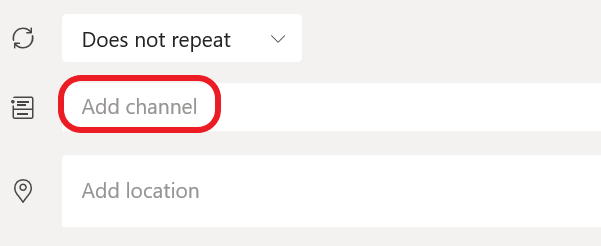
 on the left side of the app and select New meeting in the top right corner.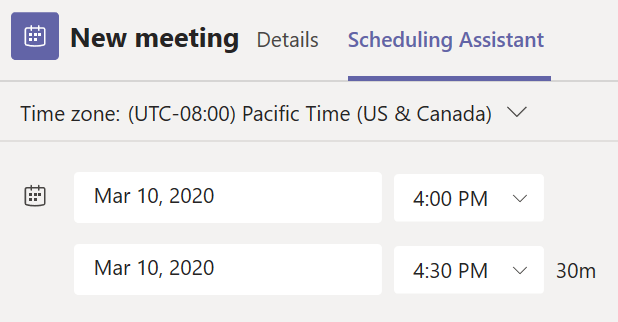
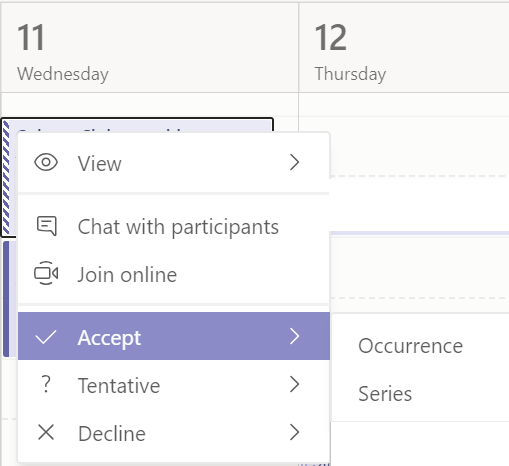
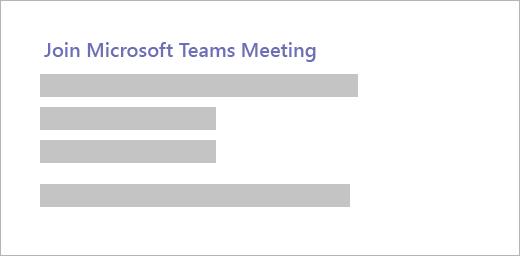
 on the left side of the app to see your meetings. Find the meeting you want, and then select Join.